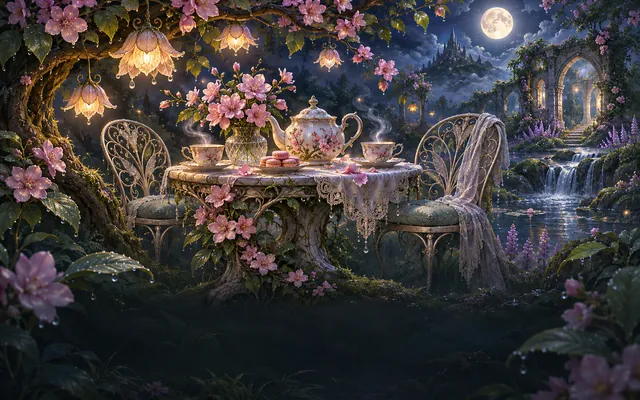
Dewdrop Fairy Tea Circle
Invite flower-fairy characters to a small tea circle; ask for cup and ingredient preferences.
 NOTELORIA
Write a fairy tea invitation with garden details, dress colors and food notes.
Generate eight candidates, edit a name, then select Use This Name. Names are not trademark-cleared.
Initializing local storage…
Edit directly in any result before saving, copying or downloading.
A fairy tea invitation works best when a little whimsy sits beside clear information about food, seating and arrival. This generator is for hosts of garden-style teas, costume afternoons and small fantasy gatherings where the welcome should feel gentle rather than grand. Tea Party Theme, Fairy Type and Garden Name establish the imagined scene; Host Name and Guest Identity keep the invitation personal. The generated set includes an elegant invitation, friendly short message, dress notes, guest information, a reply request and reminder within three editable arrangements. Unlike the potion party tool, this page focuses on tea service and guest comfort rather than an alchemy setting. You can describe the tea style, colors, actual dress expectation, food notes and schedule. The tool cannot assess allergens, verify ingredients or guarantee a suitable menu. Treat dietary questions as a private conversation with the host, not as information every guest must share publicly.
Know when guests arrive and when refreshments are served. Highlight seating and the reply request, so a whimsical welcome still helps the host plan places.
Prepare the real venue and any costume-light option. Explain whether wings and elaborate headpieces are welcome, optional or impractical around the seating arrangement.
Separate the decorative garden name from the actual location. Describe the room honestly and give ordinary names for food; a floral theme does not make decorations edible.
Use Friendly or Warm for people who know one another. Keep one imaginative phrase, then explain the tea style, date and what guests should confirm.
Describe Tea Party Theme, select Fairy Type and name the imagined garden. They supply context, not an assigned costume for every guest. Leave unknown theme details blank rather than inventing lore.
Use Host Name for the person inviting and Guest Identity for the addressed group. These appear in the welcome; choose the introductory voice separately with Tone.
Tea Style can identify afternoon tea or a casual cup together. Food Notes should give confirmed refreshments and invite private dietary questions. The field does not check ingredients or determine allergy suitability.
Enter the real Location as well as the schedule and RSVP request. Garden Name may appear in themed wording; do not rely on it as an address. Keep optional colors distinct from Dress Code.
A Name Color Motif such as rose can suggest tea-party imagery; Name Guest or Character Role and Naming Mood add context. These are naming preferences, not ingredient descriptions or dietary labels. Choose the candidate after checking its meaning.
Choose a name, Tone and Length. Put serving times or seating notes in Special Notes. Compare the guest notes with the short message, then edit and save the version that suits your guests.
“Join our Dewdrop Tea Circle for a quiet afternoon” creates a light fantasy mood without making the whole invitation difficult to read. Follow it with the real place and time. Several invented words for cups, food and guests can leave readers unsure what is actually being offered.
For a seated afternoon, write “Arrive from 2:45; tea will be served at 3.” This helps guests plan and makes a reply deadline meaningful for seating. “Come by in the afternoon” is better suited to a genuine drop-in event than a table prepared for a specific group.
Try “Please contact Rowan privately about food requirements before May 10.” Guests can discuss what matters without posting medical details to a group. The host still needs to check actual ingredients and preparation; neither whimsical food names nor generated wording can provide that assurance.
A menu might describe “Moonpetal cakes: lemon sponge with listed ingredients.” The decorative title adds charm while the plain description helps people decide what to ask. Do not use flower, crystal or fairy imagery as a substitute for explaining what a refreshment really contains.
For a small tea table, “Wings are optional; please keep accessories clear of neighboring seats” is kind and practical. It makes room for elaborate costumes and simple clothing without implying everyone must purchase a new outfit or manage large props around cups and refreshments.
Rowan invites you to Dewdrop Garden Tea on May 18 at 3 pm in the Glass Room. Please reply by May 10 and contact the host privately about food requirements.
Come for a relaxed cup of tea and a little fairy atmosphere. Floral accents are welcome, wings are optional, and everyday clothing is absolutely fine.
A place awaits at our Moonpetal table, where the tea is real and the fairy titles are playful. Arrive from 2:45; we will pour at 3.
Keep the imaginative label, but add an ordinary description or a clear way to ask about ingredients. Never imply a decoration is edible.
Only make specific food assurances you can substantiate. Use Food Notes to invite a private discussion, not to offer an unverified guarantee.
Garden Name can be fictional. Enter the real meeting place in Location and check that the welcome does not send guests searching for an imaginary address.
Keep unfamiliar fantasy vocabulary limited. A recognizable invitation, serving time and friendly reply request help newcomers feel welcome more effectively than elaborate invented etiquette.
Yes. State that ordinary clothing is welcome in Dress Code and use a gentle tea theme. Fairy Type is creative context, not an automatic entry requirement.
Use Food Notes for the host’s confirmed information and a private contact request. Guests should discuss individual needs with the host; the tool does not assess food safety.
Use Location for the actual venue. Garden Name can describe the setting, but check both the schedule block and themed opening for consistency.
No. Tone changes the introduction; Food Notes and Dress Code remain the details you supplied. Read the complete result rather than assuming a style choice resolves practical arrangements.
Yes, if that is the real format. Enter the arrival window in Event Time and explain flexible attendance in Special Notes; do not imply a seated serving time unless it is planned.
Invite flower-fairy characters to a small tea circle; ask for cup and ingredient preferences.
Host a rosemist tea in a sheltered garden room; give a separate address for the entrance.
Gather moon fairies for an evening tea; provide non-caffeinated choices by request.
Welcome starlight guests to a blossom tea hour; keep the serving time distinct from arrival.
Invite butterfly-fairy newcomers to a daytime society tea; make wings optional in tight seating.
Host crystal-fairy characters around a petal display; keep hard accessories away from the tableware.
Offer a golden-pollen-themed afternoon tea; use edible labels rather than real loose pollen.
Gather rose keepers for a quiet conversation tea; ask before taking close-up portraits.
Hold a moonlit garden tea with indoor seating; confirm the garden path's accessibility.
Invite bluebell-fairy guests to a reading tea; bring a short original poem rather than a published script.
Invite guests to an elven court with royal hosting, colors and court etiquette.
Open generator →Announce a seasonal forest celebration with guest roles and care for the setting.
Open generator →Gather mythical characters with costume, prop and identity introductions.
Open generator →